Eco-Friendly Coatings
The push towards environmentally friendly home improvement practices has led to the emergence of eco-friendly coatings for bathtub refinishing. These new types of coatings are low in volatile organic compounds (VOCs), which means they have a reduced impact on air quality compared to traditional refinishing products. Additionally, these coatings often dry faster and emit less odor, making them a preferred choice for both homeowners and professionals concerned about their health and the environment.
Advanced Adhesion Techniques
Bathtub refinishing technology has seen significant advancements in adhesion methods to ensure that new finishes last longer. The latest bonding agents create stronger bonds between old surfaces and new finishes, reducing the likelihood of peeling or chipping over time. With these advanced adhesives, refinished bathtubs can maintain their glossy appearance for many years, rivaling the durability of brand-new tubs.
Custom Aesthetic Options
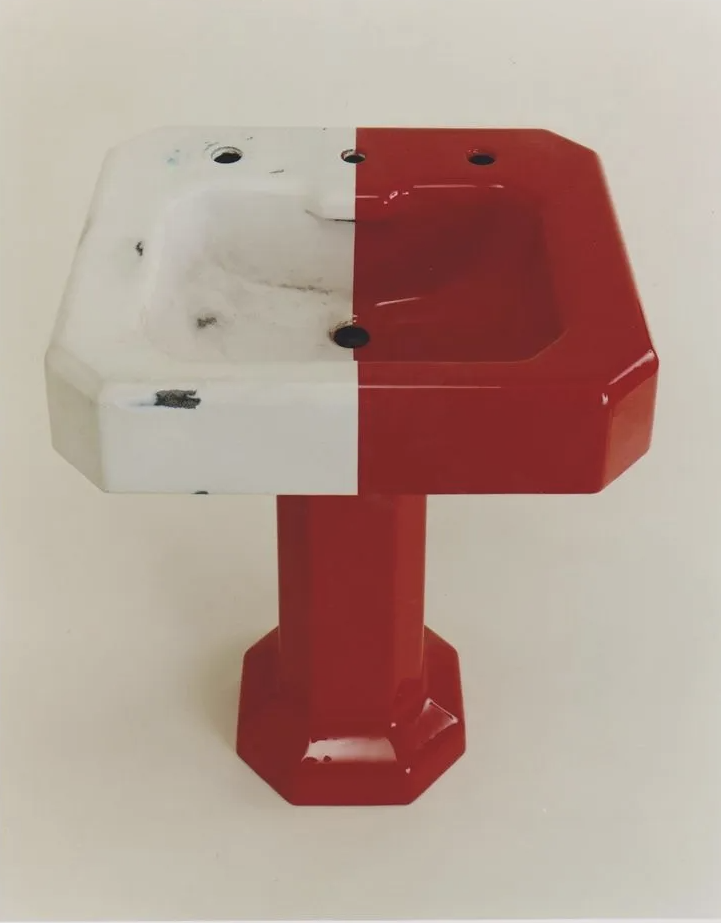
The trend in customization now extends to bathtub refinishing as well. Homeowners no longer have to settle for conventional white when it comes to their bathtub’s color. The market now offers a vast palette of colors and finishes, including matte, satin, and high-gloss options. Some companies even provide metallic or stone-finish coatings that mimic more expensive materials like granite or marble—offering luxury at a fraction of the cost.
Tub Liners as an Alternative
Another trend gaining traction is the use of tub liners as an alternative method of refurbishment. These custom-made liners fit directly over the existing bathtub, providing a fresh look without extensive surface preparation or coating applications. This method is particularly popular among those looking for a quick fix or who have bathtubs with challenging materials that don’t respond well to traditional refinishing processes.
In effect this means,
that there is an increased focus on practicality combined with aesthetics in bathtub refinishing trends. As homeowners seek out sustainable options without compromising on style or durability, manufacturers continue to innovate with eco-friendly materials and diverse design choices. From cutting-edge adhesive technologies ensuring long-lasting results to customizable looks that cater to individual tastes—bathtub refinishing has become an art form that both preserves resources and enhances bathroom design.
Historical Facts About Bathtubs
The history of bathtubs can be traced back thousands of years, with some of the earliest evidence pointing to sophisticated bathing practices in ancient civilizations. Here are some historical facts about bathtubs:
- Ancient Origins: The earliest recorded bathtubs date back to around 3300 BC in the Indus Valley Civilization where bathing was an important ritual. Copper pipes and rudimentary drainage systems were found at Mohenjo-Daro.
- Minoan Luxury: On the Isle of Crete, a 5-foot long bathtub was discovered which dates back to around 1700 BC. This tub belonged to the Minoan civilization and was made from hardened pottery.
- Greek and Roman Baths: Both ancient Greeks and Romans placed high importance on bathing as part of their culture. Public bathhouses were common, featuring large communal pools for soaking and socializing.
- Clawfoot Tubs: Clawfoot bathtubs emerged in the late 19th century but had origins dating back to mid-18th century Netherlands, inspired by Chinese motifs of dragons holding precious stones.
- Porcelain Enameled Cast Iron: In the 1880s, David Buick — who later founded Buick Motor Company — developed a method for bonding porcelain enamel to cast iron, creating durable and easy-to-clean bathtubs that became very popular.
- Modern Materials: With advancements in materials technology post-World War II, less expensive options like fiberglass and acrylic became standard for bathtub construction in residential homes during the latter half of the 20th century.
- Jacuzzi Innovations: In 1968, Jacuzzi introduced the “Spa Whirlpool,” a bathtub with integrated jets for hydrotherapy, revolutionizing personal relaxation and wellness home appliances.
- Cultural Variations: Eastern-style bathtubs such as Japanese furo are deep tubs meant for sitting rather than lying down, reflecting different cultural approaches to bathing.
- Colorful Choices: The introduction of colored bathroom fixtures by companies like Crane Co., starting in 1928 in America, expanded design options beyond traditional white clawfoot tubs leading to more diverse bathroom aesthetics.
- Safety Features: Modern bathtubs often come equipped with features like non-slip surfaces and built-in grab bars to improve safety for users across all ages; especially important as populations age over time.
- Innovative Designs Over recent decades: freestanding tubs have gained popularity due to their aesthetic appeal and versatility in bathroom designs; they can be made from various materials including stone resin or even cement.
- Portable Options: Portable solutions such as inflatable bathtubs catered towards space-saving needs or outdoor uses have also emerged on the market allowing flexibility in how people use them within their homes or while traveling.
The evolution of bathtubs from functional items into luxurious fixtures reflects broader changes in societal attitudes towards hygiene, comfort, design preferences and technological innovation throughout human history.